Green Mentorship
Energy Efficiency Hub
💡 Energy Saving Tips
Saving energy reduces costs, strengthens energy security, and protects the environment. Explore practical tips tailored for different groups below.
Households
- Switch off lights and appliances when not in use.
- Use LED bulbs and efficient appliances.
- Unplug chargers when devices are fully charged.
- Improve insulation for better heating/cooling.
- Adopt solar water heating where possible.
- Use smart power strips to prevent phantom energy loss.
- Optimize refrigerator settings to 5-7°C and freezers to -18°C.
- Wash clothes with cold water to reduce water heater energy use.
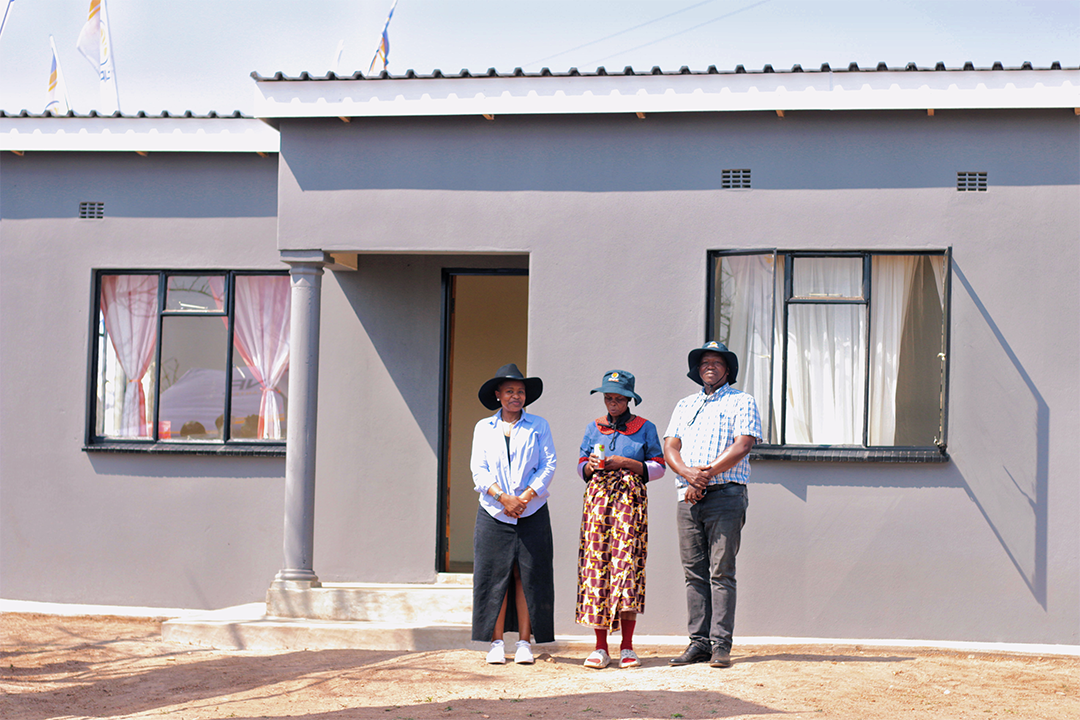
Small Businesses
- Maximize natural lighting during the day.
- Use motion sensors or timers for lighting.
- Maintain office equipment regularly.
- Encourage staff to switch off unused devices.
- Consider renewable energy solutions.
- Implement energy-efficient signage with LED or solar power.
- Schedule energy-intensive tasks for off-peak hours.
- Use cloud-based software to reduce on-site server energy use.

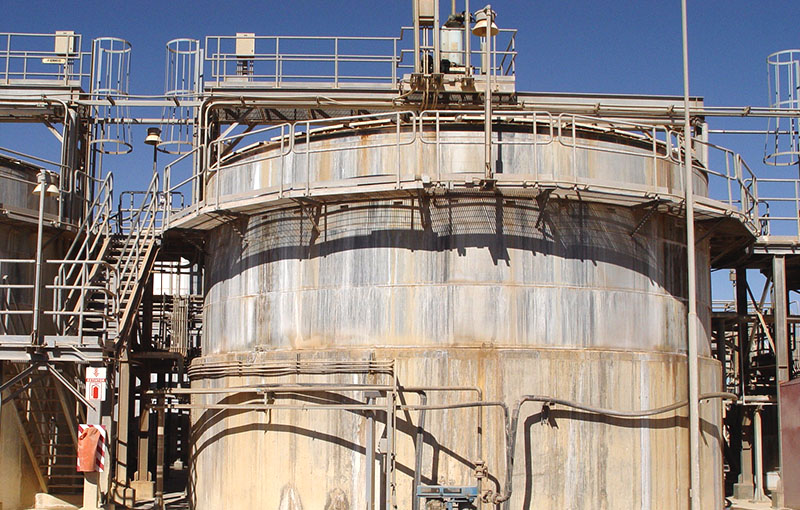
Industries
- Upgrade to efficient machinery and motors.
- Recover waste heat in production processes.
- Adopt energy management systems (EMS).
- Run high-energy processes in off-peak hours.
- Conduct frequent energy audits.
- Optimize compressed air systems by checking for leaks.
- Use variable frequency drives (VFDs) on motors.
- Implement predictive maintenance with IoT sensors.
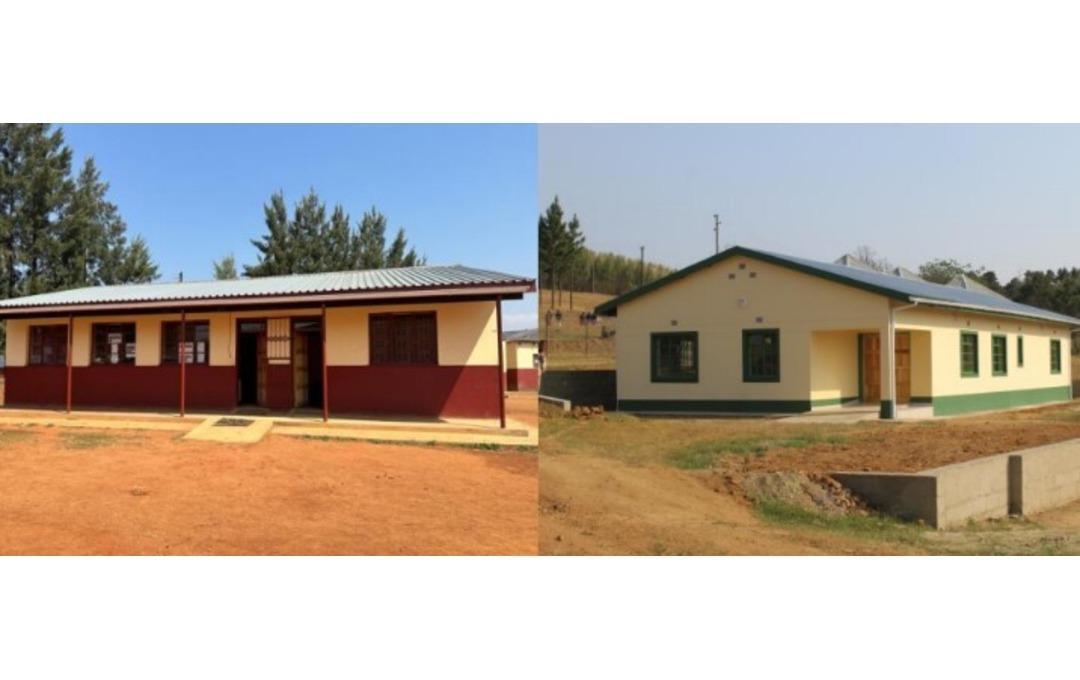
Schools
- Educate students on energy saving practices.
- Switch off projectors and lights when unused.
- Design classrooms with natural ventilation and light.
- Adopt solar for lighting and heating.
- Plant trees to provide natural shading.
- Install smart thermostats for efficient heating/cooling.
- Promote energy-saving competitions among students.
- Use energy-efficient computers in labs.
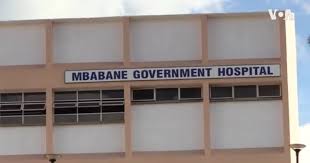
Healthcare Facilities
- Use efficient lighting and medical equipment.
- Maintain HVAC systems properly.
- Adopt solar backup for critical operations.
- Train staff to reduce unnecessary energy use.
- Conduct regular energy audits.
- Optimize sterilization with energy-efficient autoclaves.
- Implement zoned lighting for patient rooms and corridors.
- Upgrade to energy-efficient imaging equipment.